
blackout shade wiring in new construction condos
Miami condo builders now wire and frame for blackout shades before drywall goes up. Here's why that changes everything for buyers.
Walk into a Miami condo sales gallery today and the pitch has changed. Nobody is bragging about crown molding anymore. Instead, agents point to the window pockets built into the ceiling, the low-voltage wiring already running behind the drywall, and the shade motors hidden above the glass before a single piece of furniture has been delivered. Blackout shading has quietly become one of the most requested features in Miami's new construction pipeline, and builders are responding by baking it into the architecture rather than treating it as an afterthought.
This shift did not happen by accident. Miami's floor to ceiling glass, brutal afternoon sun, and skyline views that buyers refuse to give up have forced developers to rethink how light control fits into a unit from the very first set of drawings. The same buyers who read up on solar-ready construction checklists before signing a contract are now asking pointed questions about shade wiring, pocket depth, and whether the electrical panel has room for another circuit.
What follows is a look at why this trend took hold so fast in South Florida, what it actually means for the way units are built, and why skipping this step during construction creates problems that are expensive and sometimes impossible to fix later.
The Problem With Adding Shades After the Fact
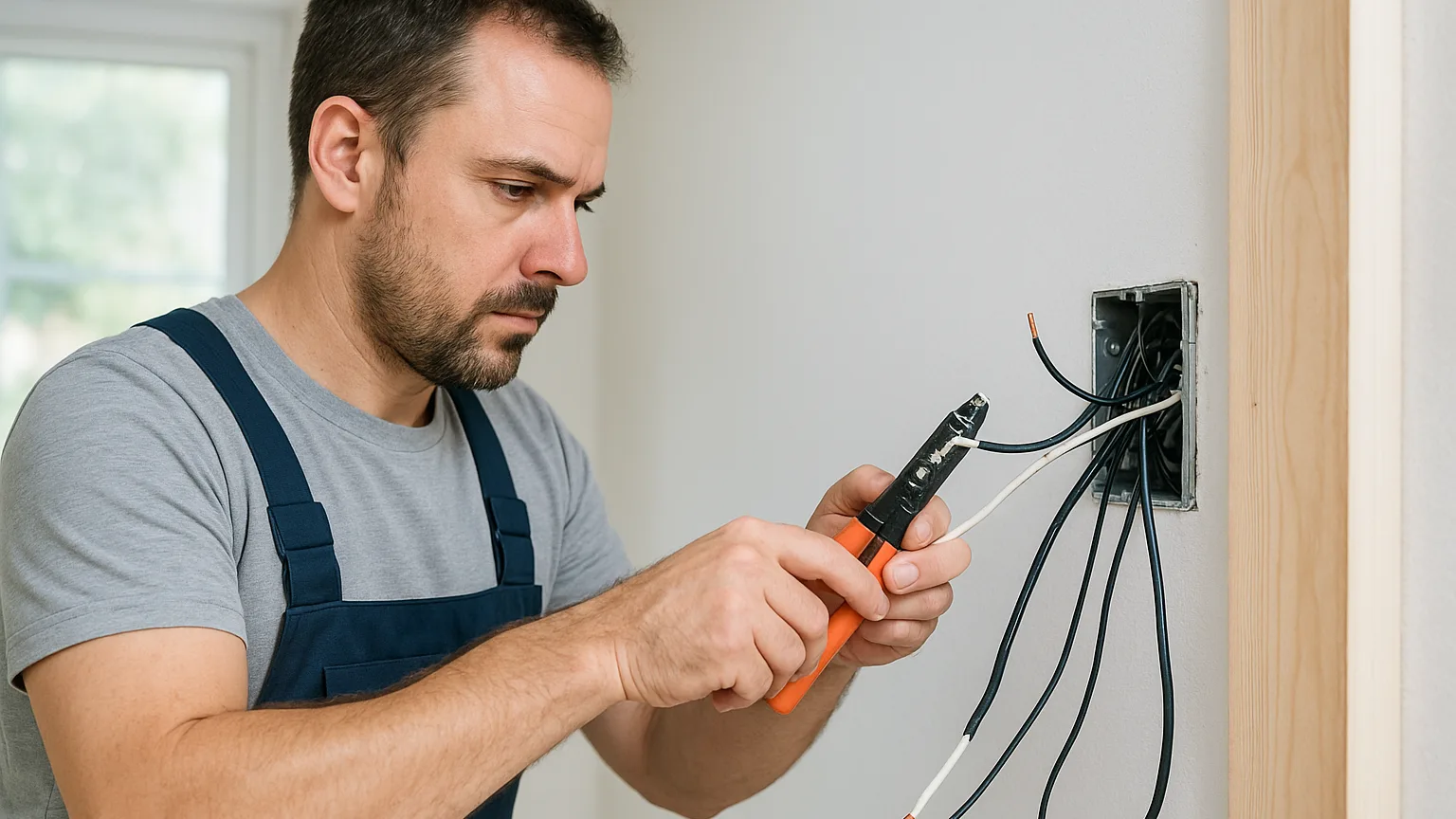
Retrofitting motorized blackout shades into a finished condo sounds simple until you actually try it. In older buildings, installers often have to run wiring through walls that were never designed for it, patch drywall, and hope the finished result looks intentional. In a building with concrete post tension construction, which describes most Miami high rises, drilling into structural elements is not an option at all. That single fact changed the entire conversation for developers.
Builders realized it made far more sense to solve the problem before the walls ever went up. A recessed pocket above the window, sized correctly for a rolled shade, and a dedicated low voltage line run during the rough electrical phase costs very little in the context of a full construction budget. Adding the same thing after closing can cost a buyer several times more per window, and in many cases the ceiling design simply will not allow for a clean pocket anymore.
What Gets Built In Now
- A recessed ceiling pocket sized for a rolled or cassette style shade above each qualifying window
- Dedicated low voltage wiring run to a junction point near the window during rough-in
- Reinforced blocking in the ceiling to support the motor and mounting hardware
- A hub or bridge location, often near a closet or utility panel, that ties the shades into a smart home system
- Power outlets positioned so no cord ever has to cross a window or hang visibly
None of this shows up on a typical unit brochure, but it shows up immediately during a walkthrough, when a buyer notices there is nowhere to see a shade box, a motor, or a single visible wire.
Why Developers Are Treating This as Non-Negotiable
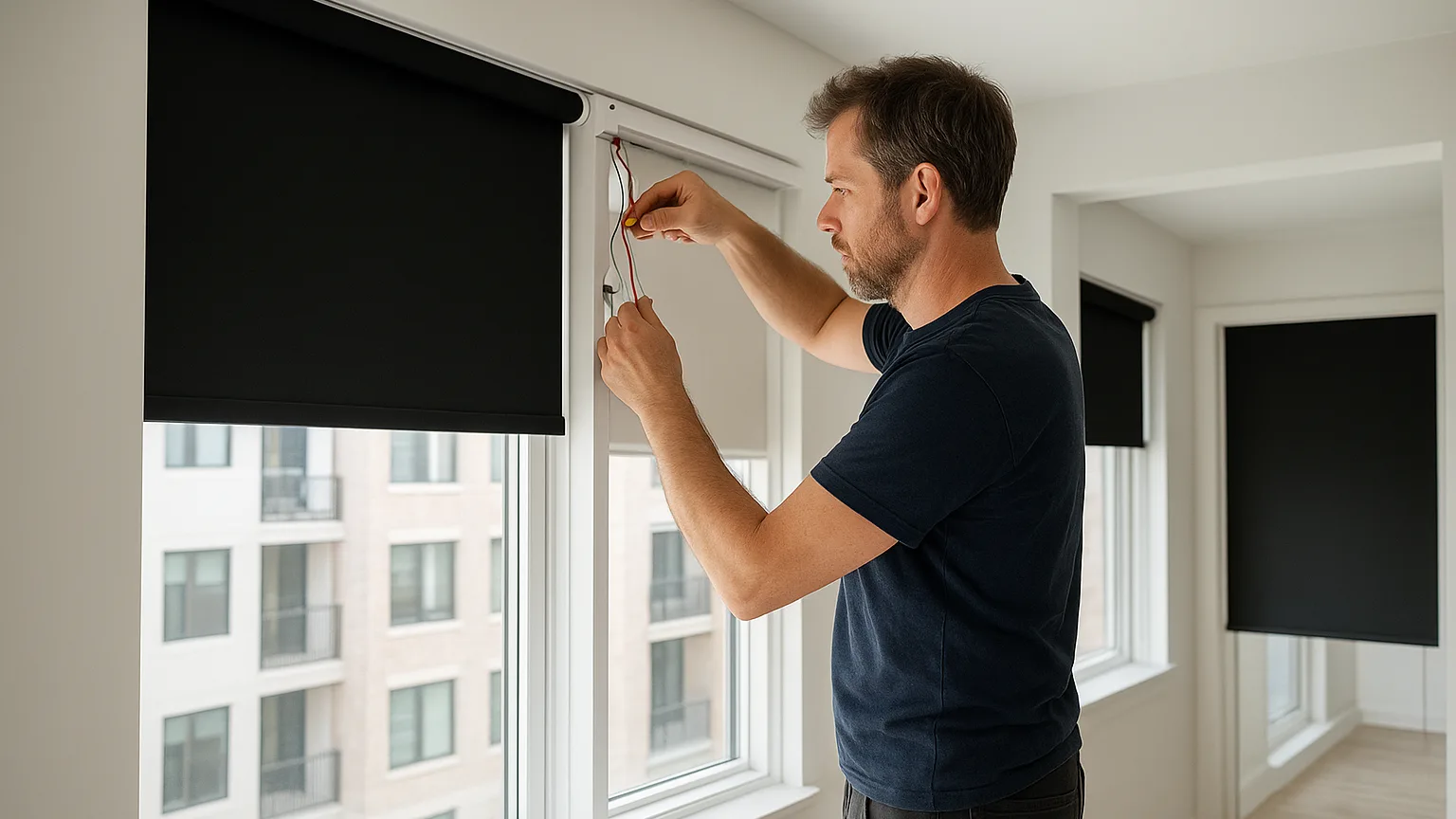
Miami's glass heavy towers create a very specific problem. Units facing east or west can heat up fast, and the same walls of glass that sell a unit at sunset can make a bedroom nearly unusable by mid-morning without serious light control. Developers who ignored this a decade ago are now watching buyers walk away from otherwise beautiful units simply because there is no clean way to add blackout coverage without an ugly surface mounted track running across the ceiling.
"Buyers are shocked when they realize how much a poorly planned window treatment can hurt a room's resale value," says Marcus Feldman, a window treatment specialist who consults with several South Florida design teams. "Once builders started asking us how to plan for shades during the design phase instead of after the unit was finished, the entire conversation around Miami condos changed."
Blinds Chalet has worked directly with developers on specifying the right pocket depth and motor placement for glass heavy units, and that kind of early planning is exactly what separates a clean, finished looking window from one with visible hardware and cords.
Questions Worth Asking on a Walkthrough
- Is there a visible pocket or gap above each large window
- Does the unit have a dedicated low voltage line near the window, not just a standard outlet
- Can the shade system tie into the building's smart home hub without an added bridge
- Is there blocking in the ceiling strong enough to support a motorized shade long term
Units that check every box on that list tend to hold their value better during resale, mostly because the next buyer never has to think about the cost or mess of adding light control themselves. In a market where glass walls are the whole point of the purchase, that kind of planning has stopped being a luxury upgrade and started becoming a basic expectation.
The Real Payoff for Buyers and Builders Alike
Miami's newest towers are proving that comfort and design do not have to compete with each other. When blackout wiring and pockets are part of the original blueprint, buyers get quiet bedrooms, protected furniture, and a cleaner looking ceiling line, all without a single visible wire or motor box. Builders get a feature they can point to during a walkthrough that instantly separates their units from older buildings still relying on clunky retrofits. This same shift toward planning shade and light control from day one is showing up well beyond Florida, whether it's outdoor living spaces built around turning California patios into all-day shade sanctuaries or the hidden upgrade Arizona buyers notice first during a walkthrough.
As more Miami developments compete for the same pool of buyers, small details like this are becoming the deciding factor between two similar units. A pocket in the ceiling and a wire behind the wall might seem minor on paper, but in a city built on glass and sunlight, that kind of planning is quickly becoming the new standard everyone else has to catch up to.