
Solar-Ready Wiring And Conduit Basics
Before you sign that contract, learn what solar-ready wiring, roofing, and panel specs Miami new construction buyers should demand upfront.
Buying a brand new home in Miami sounds simple, until you realize a "solar-ready" home and a home that just happens to have room for panels are two completely different things. Most buyers don't find out the difference until they're already six months into ownership and calling around for solar quotes, only to learn the roof, the panel, and the wiring were never set up for it.
Miami's building boom is not slowing down. New subdivisions and condo communities are going up across Doral, Homestead, Cutler Bay, and the outskirts of Kendall, and solar power is one of the biggest selling points builders advertise. But there's a real gap between marketing language and what actually gets installed during framing and rough-in electrical work.
This article walks through what "solar-ready" should actually mean, what to ask your builder before you sign anything, and how a few small requests during construction can save thousands of dollars and months of hassle later.
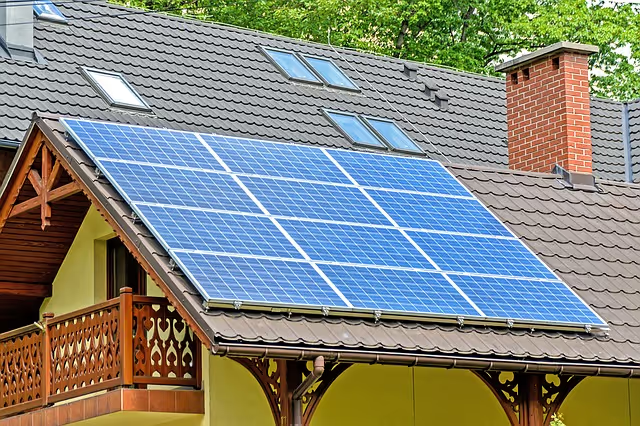
Solar-Ready Wiring And Conduit Basics
Solar-ready construction starts underground and inside the walls, long before anyone talks about panels. If a builder skips this step, adding solar later means cutting into finished walls, drilling through stucco, or running conduit along the outside of the house where it's visible and less efficient.
Here's what a properly solar-prepped home should include from the framing stage:
- A dedicated conduit path running from the roof to the main electrical panel or a designated junction box, sized for future solar wiring.
- A main electrical panel with extra breaker space, or a panel rated to handle a solar interconnection without a costly upgrade.
- A labeled junction box in the attic or garage, so an installer knows exactly where the solar circuit terminates.
- Proper grounding already run to the roof area where panels are expected to sit.
Why This Matters More In Florida
Florida's building codes already require certain solar-ready provisions for many new single-family homes, but enforcement and detail vary by county and by builder. Some builders do the bare minimum to satisfy inspectors, while others genuinely prep the home so a future installation takes a single day instead of a week.
Ask your builder directly: "Can you show me where the solar conduit terminates, and is my panel rated for a solar backfeed connection?" A builder who answers quickly and specifically is one who actually built for it. A vague answer is a red flag worth pushing on before closing.

Roof Design Built For Future Solar
Even a perfectly wired home can be a poor candidate for solar if the roof itself works against it. Roof orientation, pitch, shading, and even the type of roofing material all affect how much energy a future solar system can generate and how much the installation will cost.
Before construction finishes, or ideally before you pick your lot, consider asking about these roof details:
- Which direction the largest roof plane faces. South facing sections generally produce the most consistent energy in South Florida.
- Whether the roof design includes large HVAC units, vent stacks, or skylights placed in the middle of otherwise usable panel space.
- What roofing material is being installed. Standing seam metal and asphalt shingles are simpler and cheaper to mount panels on than clay tile, which often requires special mounts and more labor.
- Whether nearby trees, taller buildings, or future construction on adjacent lots could shade the roof later, and if so, whether the lot has room for ground mounted panels, since solar doesn't always have to live on the roof.
Equipment Considerations Worth Discussing Early
Even if you're not installing panels the day you move in, it helps to have a rough idea of the type of system your roof could support. Homeowners who spend time comparing solar panel brands before construction wraps often end up with a clearer sense of panel size, weight, and mounting needs, which can influence how the roof structure and conduit paths are planned in the first place.
Contract Language That Protects Future Solar
This is the part most buyers skip entirely, and it's often the most costly mistake. Verbal promises from a sales rep about "solar-ready" mean nothing once you've closed on the home. What matters is what's written into your purchase agreement or builder addendum.
A few contract points worth requesting in writing:
- A written specification of conduit size, path, and termination point for solar wiring.
- Confirmation of panel capacity or amperage rating that supports a future solar interconnection.
- Written roof warranty terms that clarify whether adding solar panels later voids any part of the roofing warranty.
- Any homeowners association or community guidelines that restrict panel placement, visibility from the street, or approval processes.
Miami builder Renata Alves, who has walked buyers through several solar-ready communities in Doral, put it simply during a recent buyer walkthrough: "The buyers who ask for specifics in writing are the ones who don't call us confused a year later. It's a five minute conversation that saves everyone a headache."
What Happens If You Skip This Step
Homes without documented solar provisions often need a full electrical panel upgrade, new conduit runs through finished drywall, and sometimes roof modifications before a single panel goes up. That risk isn't unique to Florida either; homeowners elsewhere run into the same wall, as detailed in Arizona's Hidden Upgrade Problem, and it can turn a straightforward solar installation into a five figure project instead of a simple add-on.
Building Smart Now Beats Retrofitting Later
Solar-ready construction isn't a luxury upgrade, it's a planning decision that costs very little at the framing stage and saves a significant amount of money and disruption down the road. The difference between a home that's truly solar-ready and one that's just marketed that way often comes down to a handful of specific details: conduit placement, panel capacity, roof orientation, and clear contract language.
Miami buyers who ask the right questions before closing put themselves in a much stronger position, whether they plan to add solar next year or a decade from now. A little diligence during the buying process turns a vague promise into a home that's genuinely ready for the switch, on your timeline, without the surprises.