
Why Pre-Wiring Beats Retrofitting
Miami builders: wiring homes for motorized blinds before drywall locks in resale value and hurricane-ready convenience buyers now expect.
A buyer walks through a nearly finished Miami condo, pulls out their phone, and taps an app to close every shade in the unit at once. That single moment can be the difference between a signed contract and a lost sale. It only works, though, if someone thought about the wiring months earlier, long before the walls closed up.
The Convenience Buyers Already Expect
Smart home features used to feel like a luxury add-on. Now they read more like a checklist item, especially in Miami where buyers already expect hurricane shutters, impact glass, and generator hookups. Motorized blinds fit right into that same mindset of storm-ready, low-effort living.
The team at Blindschalet has a practical breakdown of this exact issue.
Builders who treat this as an afterthought end up paying for it twice. Retrofitting a finished home for motorized shades means cutting into drywall, fishing wire through finished walls, and patching everything back up, which costs far more than running a few conduits during framing. It also frustrates buyers who assumed the smart features were part of the original build, similar to how miami condos now pre-wire for blackout shades as a standard construction step rather than a pricey upgrade later.
The window of opportunity is short. Once drywall goes up, the cost and mess of adding this infrastructure jumps dramatically, and most builders simply skip it rather than deal with the hassle.
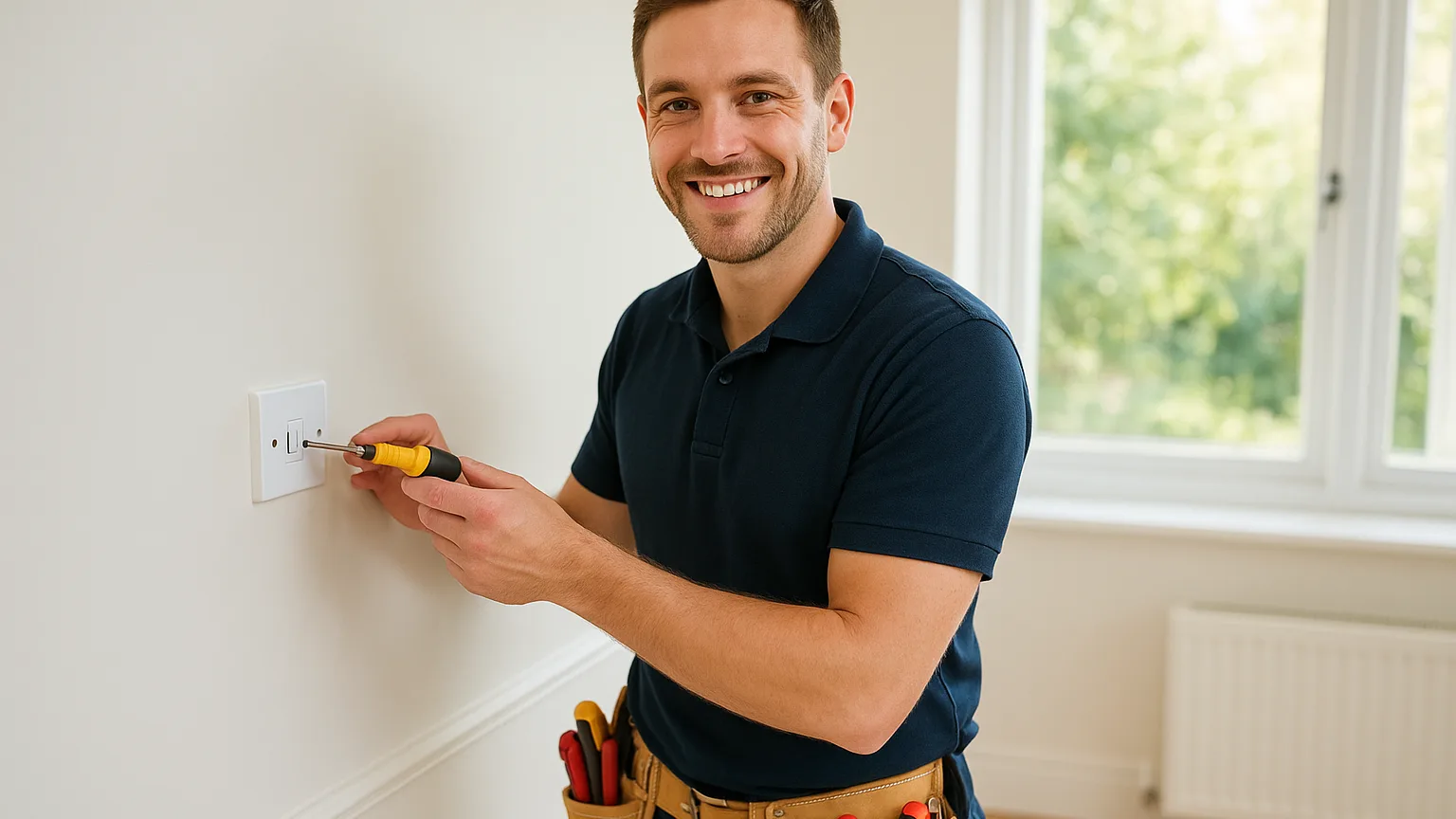
What Goes In The Walls Before Drywall
Pre-wiring for motorized blinds is not complicated, but it does require planning at the framing stage. A short list of components makes the entire system possible later, whether the homeowner chooses basic remote control or full app-based automation tied into a broader smart home setup.
Power And Low-Voltage Cabling
Every motorized shade needs a power source nearby, and running that cable during framing is far simpler than adding it later. Builders should plan for:
- Low-voltage wiring or a dedicated outlet near the top of each window that will receive a motorized shade
- Cat6 cabling routed to a central hub location for whole-home control
- Conduit sleeves in walls where wiring may need to be pulled or upgraded down the road
Hub And Network Placement
Every motorized shade system needs a brain. That usually means a central hub, often placed in a utility closet or media panel, connected to the home network. Planning this location early avoids awkward equipment placement later and keeps the finished look clean, which matters a lot to buyers who want smart features without visible clutter or exposed wiring.
Window-By-Window Planning
Not every window needs the same treatment. Floor-to-ceiling glass walls facing the bay often call for full blackout capability, something worth discussing with an interior finishing partner who understands how blackout and room-darkening shades perform differently than standard light-filtering fabric in a high-sun climate like Miami, the same forward-thinking approach found in outdoor projects like meet the patio that thinks ahead of seasonal sun exposure. Builders should map out which rooms need blackout function, which need light filtering, and which windows might stay manual, then wire accordingly rather than guessing.
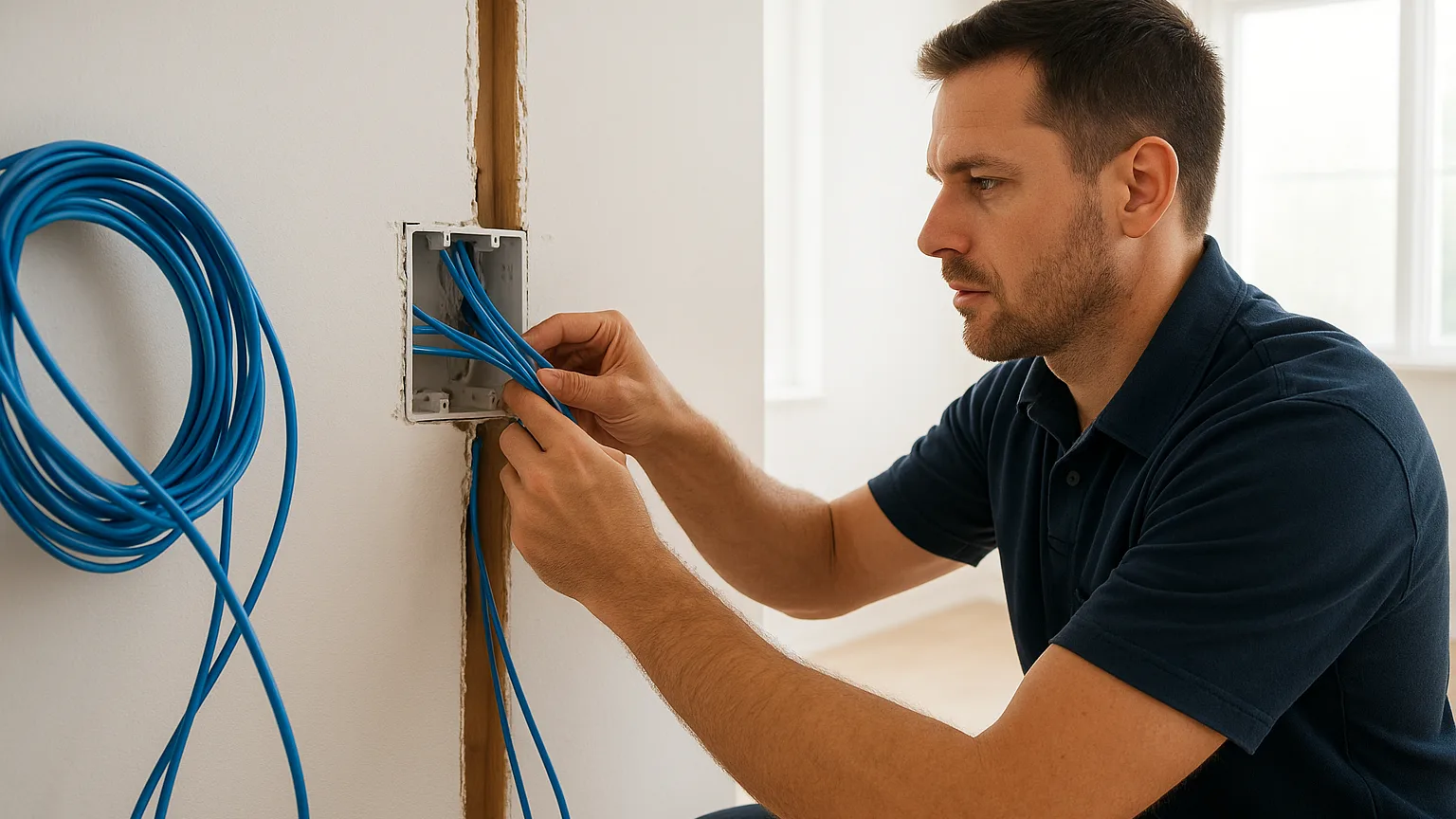
Turning A Wiring Line Item Into Resale Value
Appraisers and buyers alike respond to features that feel finished and intentional. A home with hidden wiring ready for motorized shades signals quality construction, even before the shades themselves are installed. It tells a buyer this builder thought ahead.
This matters even more in Miami's glass-heavy new construction market, where towers and waterfront homes rely on large windows for views and natural light. Builders already competing on finishes and amenities can set their listings apart the same way projects highlighted in miami builders bet on motorized shade systems have done, turning a practical wiring decision into a marketable feature.
Hurricane Season Changes The Math
Motorized blinds also serve a functional purpose beyond convenience. During storm prep, homeowners can close shades from a phone instead of manually adjusting each window, which matters when a family is packing the car or already out of town. That kind of storm readiness resonates strongly with Miami buyers, echoing the same trend other markets have seen where blinds, faster sales have become linked in buyers' minds who have lived through hurricane season more than once.
Consider the value this single wiring decision adds across a project:
- Higher perceived build quality without major cost increases
- A stronger listing feature that appeals to tech-minded and safety-minded buyers alike
- Lower long-term renovation costs for the eventual homeowner
- A cleaner, wire-free look since everything is hidden inside the walls
None of this requires a builder to install the actual shade motors or app software during construction. It simply requires leaving the infrastructure in place so the choice stays open for whoever buys the home. That small decision, made months before move-in day, can end up shaping how a buyer feels the very first time they walk through the door and see a home built for the way people actually live now.