
Frame Wars: Aluminum, Vinyl or Wood | Your New Build Wins
Choosing a window frame material sounds like a minor checkbox on a long construction list. It is anything but. Your frame determines how much heat stays in, how much maintenance you sign up for, how your home looks from the curb, and how much it sells for down the road. This guide breaks down each material without filler so you can make a confident call before a single window gets installed.
The window sitting in your wall is not just a hole with glass in it. It is a system, and the frame surrounding that glass is the part most builders and buyers spend the least time thinking about. That needs to change. The frame material you choose for a new build affects everything from your monthly utility bills to your home's resale appeal decades from now, and the wrong call can be expensive to undo.
According to the National Association of Home Builders, 83% of homebuyers in 2024 rated energy-efficient windows as either essential or desirable when evaluating a home purchase. That figure has held steady for over 15 years, which tells you this is not a trend. It is a baseline expectation. Frame material sits at the center of that performance equation, and understanding what each option actually delivers will save you money, time, and second-guessing long after closing day.
Aluminum Frames: The Case for Slim, Strong, and Lasting
Aluminum has had a complicated reputation in residential construction. For years it was associated with older commercial buildings, drafty retrofits, and low-budget apartment windows. That perception has shifted dramatically, and for good reason.
Modern aluminum frames are engineered with thermal breaks, which are insulating barriers built into the frame itself that interrupt the metal's natural tendency to transfer heat and cold. The result is a frame that carries all the structural advantages of metal without turning your window into a temperature conductor. Aluminum's strength-to-weight ratio allows for thinner frame profiles than wood or vinyl, which means more visible glass and cleaner sightlines that have become a signature of contemporary residential architecture.
What Aluminum Does Well
- Resists corrosion, warping, rot, and insect damage across virtually all climate types
- Holds paint and powder-coat finishes exceptionally well, including matte black, which is one of the most requested finishes in new construction today
- Handles larger glass sizes without requiring bulky frame sections for structural support
- Works well in hurricane-rated and impact-resistant assemblies
- Carries a significantly longer lifespan than vinyl in high-UV environments
Where Aluminum Has Its Limits
Aluminum is not always the cheapest entry point. It can also conduct cold to the touch in extreme winter climates even with a thermal break installed. For buyers in regions with harsh northern winters, the thermal break specification matters a great deal, because not all aluminum frames are made the same and the quality of that insulating component varies considerably by manufacturer.
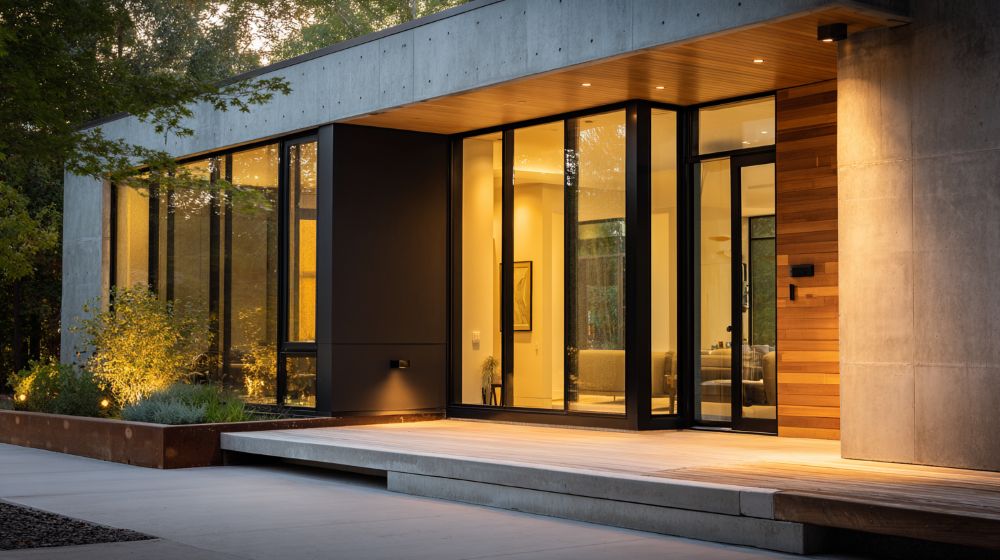
Why Metal Windows Are Making a Comeback
There is a broader cultural shift happening in residential design and aluminum is riding the front of it. The steel-look window, historically associated with early 20th-century industrial architecture and European modernism, has become one of the most sought-after aesthetics in new construction. Slim dark frames, expansive glass panels, warehouse-style casements. Buyers want the look and aluminum makes it achievable without steel's price tag or maintenance demands.
Jake Parnell, a project consultant at Affordable Windows, shared this perspective: "We're seeing homeowners who did serious research come to us specifically because they want something custom, an exact frame size, a specific finish, a detail that a big box manufacturer won't touch." Affordable Windows has been replacing windows, aluminum casement, projected, and hopper windows for over six decades and is regarded across the industry as one of the most technically precise custom window fabricators in the country.
They mention the metal windows 1000 Series, originally designed in 1947 as an aluminum replica of a steel sash window, has seen a notable resurgence among architects working on modern farmhouse and industrial-style builds. Custom manufacturing means the frame fits the opening rather than the other way around, which matters enormously when you are designing a home rather than just assembling one.
Vinyl Frames: The Practical Workhorse of New Construction
Walk through any production home subdivision built in the last 25 years and you will almost certainly be looking at vinyl frames. There is a reason for that. Vinyl, or PVC, is affordable at scale, easy to install, requires almost no maintenance, and delivers reliable thermal performance right out of the box.
The core advantage of vinyl is its hollow chamber design. Multiple chambers within the frame trap air, which is a natural insulator. This makes vinyl a genuinely competitive performer in energy efficiency without any of the complexity or cost of a thermal break system.
Vinyl's Strengths in Plain Terms
- Lower cost per window than aluminum or wood in most standard size ranges
- No painting required because color is baked into the material
- Excellent resistance to moisture, which makes it particularly reliable in high-humidity climates
- Strong energy performance in mid-range residential builds
- Widely available through both custom fabricators and production suppliers
Vinyl's Honest Shortcomings
Vinyl has real limitations worth naming. The material expands and contracts with temperature changes, and over time that cycling can loosen seals and affect long-term performance. Vinyl also has a limited color range. Darker colors absorb more heat and can cause the frame to warp, which is why you will almost never see a true matte black vinyl frame hold up the way an aluminum alternative would. In premium construction, vinyl can read as builder-grade, a perception that can affect how a home is positioned and appraised when it goes to market.
Wood Frames: The Timeless Material That Still Has a Place
Wood is the original window frame material, and despite decades of competition from vinyl and aluminum, it has not gone away. There are good reasons for that staying power.
The Thermal and Aesthetic Argument for Wood
Wood is a natural insulator. Its cellular structure slows the transfer of heat and cold more effectively than either aluminum or vinyl at an equivalent thickness. For buyers prioritizing thermal performance alongside a premium interior finish, wood delivers both. You can paint it, stain it, and refinish it, which is a level of adaptability that neither vinyl nor aluminum can offer.
Wood frames also photograph beautifully. In luxury residential builds where the interior design is as much a selling point as the square footage, the warmth and texture of a real wood frame contributes to an overall aesthetic that is genuinely difficult to replicate with manufactured materials.
The Maintenance Conversation Builders Avoid
The honest conversation about wood frames is that they require consistent upkeep. Left exposed to the elements without regular sealing, painting, and inspection, wood will eventually rot, warp, or crack. Clad wood windows, where the exterior face is wrapped in aluminum or fiberglass, solve much of this problem but they also add meaningfully to the cost. A clad wood window will often run 30 to 60 percent more than a comparable aluminum or vinyl option, which puts them squarely in the custom and semi-custom build category.
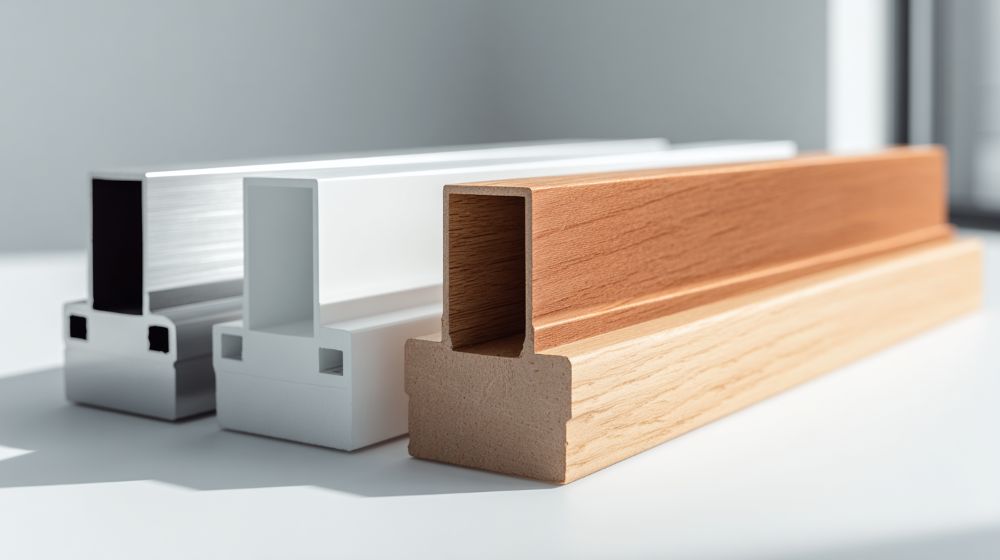
Side by Side: What You Are Actually Choosing Between
This is where the decision gets practical. Here is how each frame material stacks up across the criteria that matter most in a new build.
Cost
Vinyl sits at the lowest price point for standard sizes. Aluminum runs moderate to premium depending on whether you are sourcing stock or custom. Wood and clad wood sit at the top of the range, with clad options pushing the cost further.
Longevity
Aluminum wins on raw lifespan, particularly in coastal or high-UV environments. Wood, when properly maintained, can outlast both alternatives but demands that maintenance investment. Vinyl typically carries a 20 to 30 year performance window before seals and frames begin to show meaningful wear.
Design Flexibility
Wood offers the most interior design flexibility because it can be refinished. Aluminum offers the most exterior design range because powder-coat finishes are virtually unlimited and hold color longer than vinyl does. Vinyl is the most limited in terms of color and customization, though it remains the easiest to source and install at production scale.
Energy Performance
All three materials can meet modern energy codes when properly specified. The difference is in how they get there. Vinyl relies on its chamber design. Aluminum relies on thermal breaks. Wood relies on natural insulation combined with exterior cladding. In practice, the glass specification including low-E coatings, argon fill, and pane count has more impact on overall energy performance than the frame material alone.
Making the Final Call for Your Build
The right answer is not universal, and anyone who tells you otherwise is simplifying a decision that deserves more respect. A custom modern home designed around large glass panels and a dark exterior palette will almost certainly perform best with aluminum frames from a manufacturer who can hit exact dimensions and specifications. A production builder working at volume on a more traditional design will likely find vinyl to be the most cost-effective path to a quality result. A high-end craftsman build where the interior details are the whole story may justify the investment in clad wood.
What does not change regardless of material is this: the quality of the product you specify matters as much as the material category you choose. A premium aluminum frame from a seasoned manufacturer will outperform a budget vinyl window in nearly every measurable way, and the inverse is also true. Spend time on the specification, not just the category, and you will be well ahead of most buyers making this decision for the first time.
The Frame You Choose Is the Home You Build
Every window decision compounds over time. The frame material sets the tone for how your home performs thermally, how it looks architecturally, how much upkeep it asks of the next owner, and how a buyer perceives it when it eventually goes to market. Aluminum, vinyl, and wood each have earned their place in residential construction, and none of them is universally the wrong answer. What separates a good decision from a great one is knowing what each material actually delivers versus what the marketing materials suggest.
Take the time to match your frame selection to the specific demands of your design, your climate, and your budget rather than the demands of convention. The best window frame for your new build is the one you can stand behind 20 years from now, still performing exactly as promised and still looking exactly as intended.